How to Plan a Corporate Offsite That Actually Helps Teams Work Better Together
A corporate offsite can easily turn into a nice trip that changes nothing back at work. Here's how to plan one that actually improves how teams function.
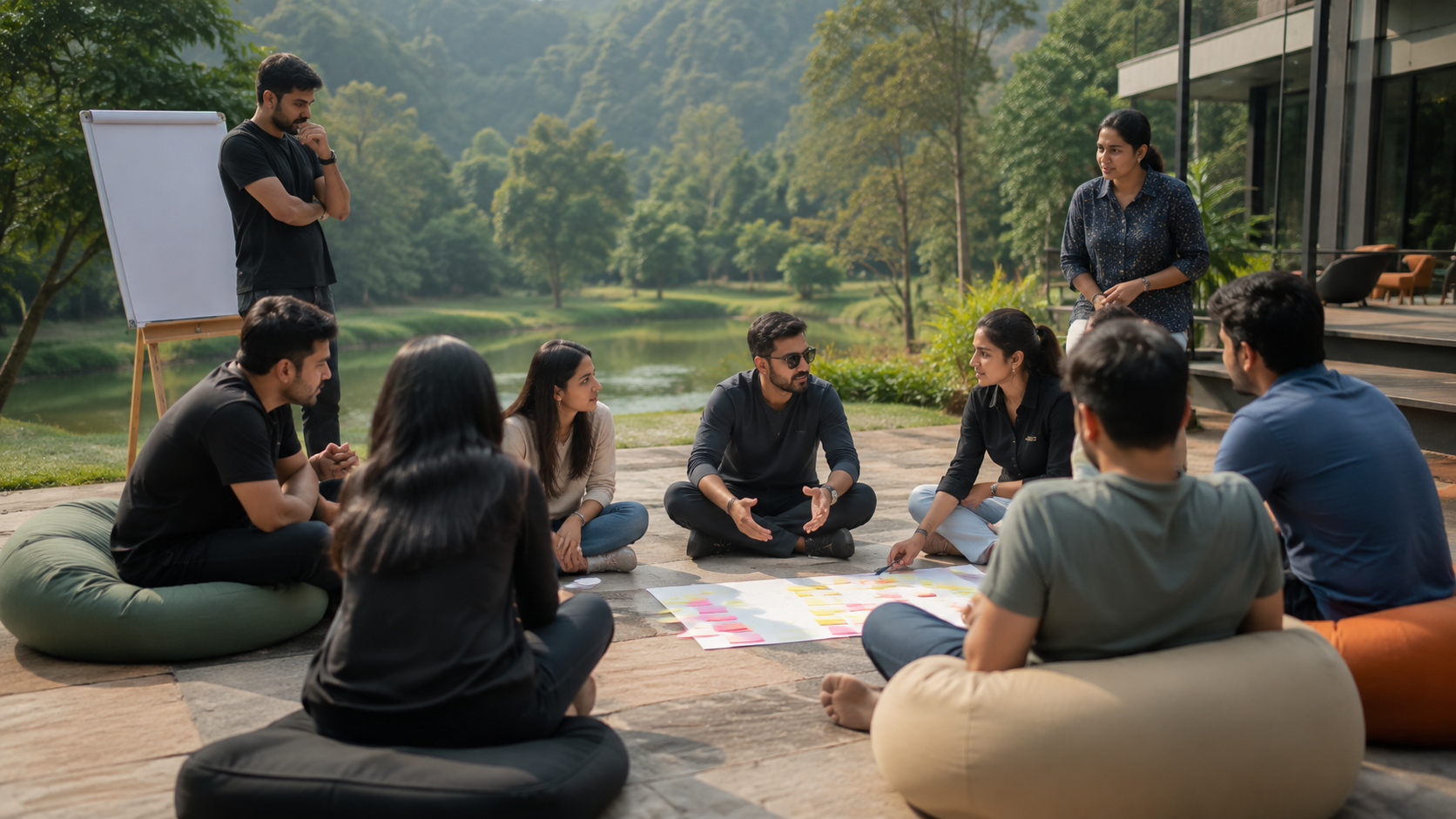
Most corporate offsites follow a familiar pattern, a change of scenery, a few planned activities, good food, and a general sense that everyone had a nice time. What's harder to find is an offsite that actually changes how a team works once everyone is back at their desks. The gap between a pleasant trip and one that genuinely improves collaboration usually comes down to intent, an offsite designed around a specific outcome tends to deliver one, while an offsite designed purely as a reward or a break rarely does.
Start With What You Want to Be Different Afterward
Before booking a venue or planning activities, it helps to be specific about what "working better together" actually means for this team. Is the goal better cross-functional communication, resolving unspoken tension between two teams, building trust in a newly formed group, or simply creating space for people who've only interacted over Slack to actually know each other? An offsite planned around a vague goal like "team bonding" tends to produce a vague result. One planned around a specific gap tends to actually close it.
Balance Structured Activities With Unstructured Time
A schedule packed entirely with structured sessions can feel exhausting and leaves little room for the organic conversations where real connection often happens. At the same time, an offsite with no structure at all can drift into people sticking to their usual small groups, defeating the purpose entirely. The offsites that work best tend to alternate deliberately, a facilitated session or activity, followed by genuinely unstructured time, rather than trying to fill every hour with a planned agenda.
Choose Activities That Require Actual Collaboration
Passive activities, a talk, a presentation, a group dinner, are pleasant but rarely shift how people work together. Activities that require the team to solve something together, even something entirely unrelated to work itself, tend to surface communication patterns and build trust far more effectively. This is where well-designed team building experiences earn their place on an offsite agenda, they create low-stakes situations where people have to actually coordinate, listen, and adapt to each other in real time.
Make Space for Cross-Team Interaction, Not Just Team Bonding
If the offsite includes multiple teams or departments, it's worth being deliberate about breaking up existing groupings rather than letting people default to sitting with their usual team throughout. Mixed groups for activities, meals, or discussions create the kind of cross-functional familiarity that's much harder to build back in the office, where people naturally stay within their own team's orbit. This is often where the real value of a multi-team offsite lies, not in reinforcing bonds that already exist, but in building ones that don't.
Don't Skip the Debrief
An offsite that ends the moment everyone heads home often loses most of its momentum within a week. A short debrief, even an informal one, on what was learned, what should change about how the team collaborates, and what commitments people are willing to make, helps translate the experience into something that actually carries back into daily work. This connects closely to how team building workshops improve communication between teams, the offsite creates the shift, but the debrief is what makes it stick.
Follow Up Within the First Few Weeks
Whatever commitments or insights come out of the offsite tend to fade quickly once people are back to their normal workload. A brief check-in a few weeks later, has communication actually improved, has the friction that prompted the offsite eased, keeps the effort from becoming a one-off memory. Teams that build this follow-up into the plan from the start tend to see the impact of the offsite last far longer than those that don't.
Keep the Group Size and Format Realistic
A large offsite trying to build deep connection across fifty people rarely achieves what a smaller, more focused offsite can. If the goal is genuinely improving how specific teams work together, it's often more effective to run smaller, more targeted offsites for the groups that need it most, rather than one large annual event trying to serve every purpose at once.
Final Thoughts
A corporate offsite helps teams work better together when it's planned around a specific outcome, balances structure with genuine unstructured time, and includes a clear plan for what happens once everyone is back at work. Organizations that treat the offsite as the start of a shift, rather than the entire effort, tend to see the impact carry well beyond the trip itself.
If you're ready to plan an offsite that actually changes how your teams work together, explore ICE's full range of services or learn more about our approach to supporting stronger workplaces.